

_img_4531.png?width=1330&height=380&mode=crop)
LIST OF AWARDS ASSIGNED
Technology Innovation Award
NET FARMING - VitiSafe365
WM TECHNICS - WM VITRAC G2
Green Innovation Award
CBC (EUROPE) - Anagyrus vladimiri
New Technology
FURAITO - XAG R200 Agricultural Rover
MARTIGNANI - NEWPORT TRIO
MERLO INDUSTRIA METALMECCANICA - Autonomous Tracked Transporter
YARA ITALIA -YaraAmplix ACTISIL
.png)
|
|
TECHNOLOGY INNOVATION AWARD |
|
NET FARMING |
VitiSafe365 |
|
|
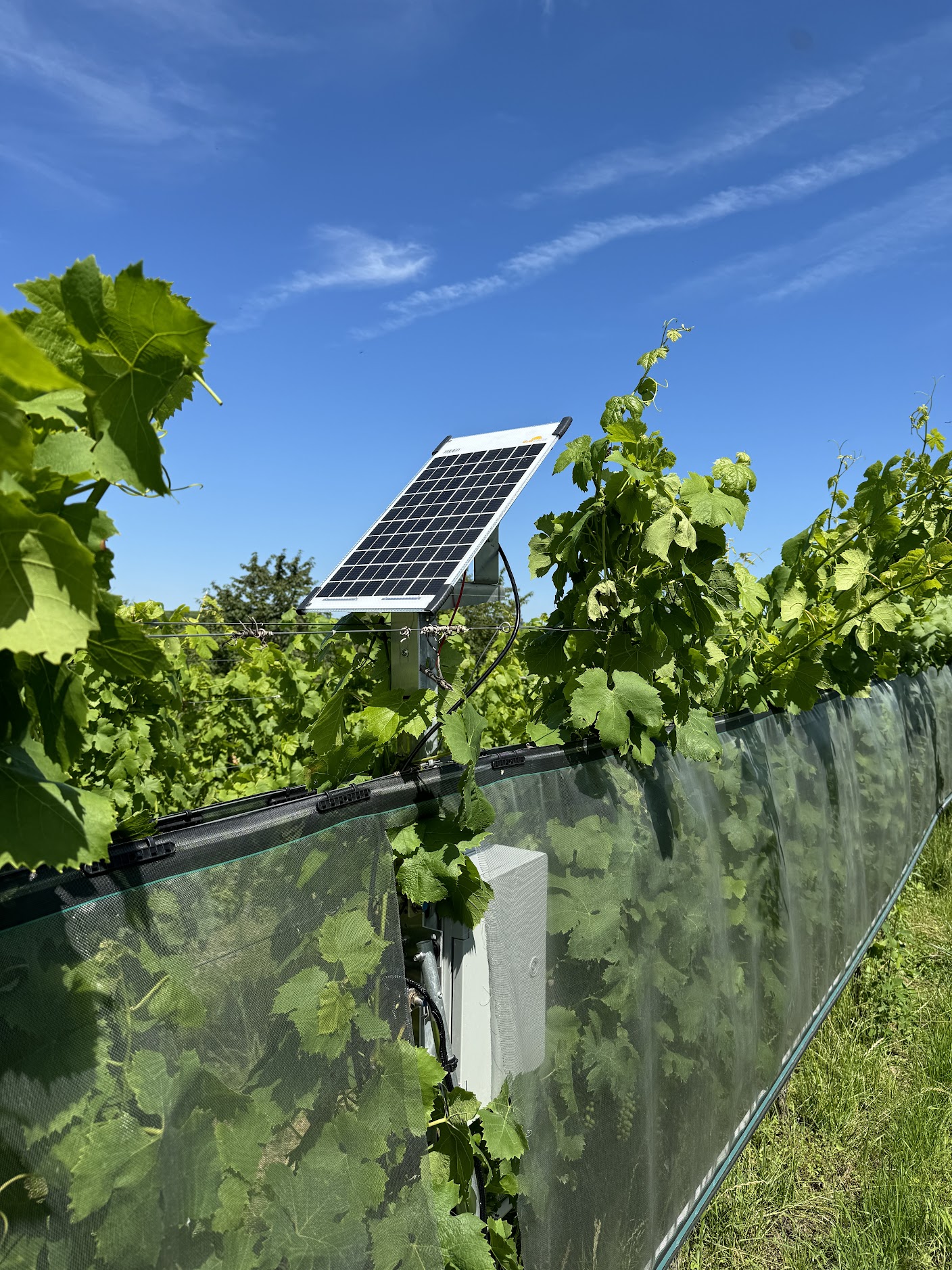
It is designed to support proactive crop protection against meteorological and climate hazards such as hail, heavy rain, heat, sunburn, excessive humidity and insects. The protective nets can be operated and moved into predefined positions based on operational needs, manual controls, remote control inputs or activations triggered by weather conditions and pre-set alarms. The heart of automation is the MotorBox, a field automation unit designed to raise and lower the protective nets by controlling stepper motors. The system combines robust vineyard mechanics, solar-powered autonomous operation, remote control software, local manual intervention and optional external optical/acoustic alert interfaces. |
|
|
WM VITRAC G2 |
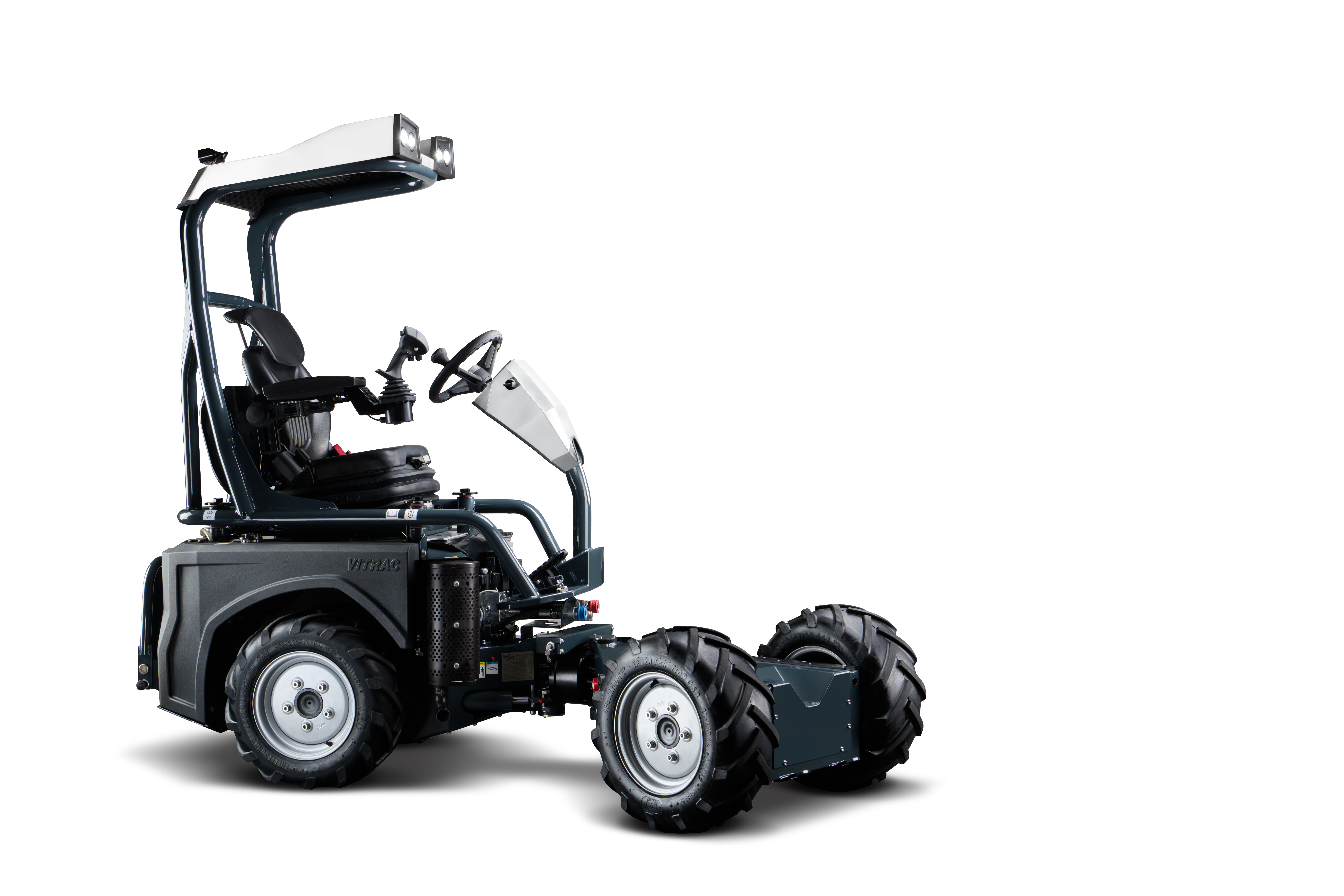 |
Vitrac is an ultra-compact tool carrier equipped with all-wheel drive and double articulation, providing high stability on extreme slopes and it is particularly suited for 'heroic' viticulture. The 80° steering angle and low centre of gravity also guarantee remarkable manoeuvrability, even in narrow rows and tight headlands. There is an active safety system with load sensors on the wheels, which automatically locks the central joint in case of loss of grip. The hydraulic system with a 46 l/min pump at 250 bar allows for the use of complex tools without performance drops, thereby optimising consumption. Thanks to the ability to perform multiple operations with a single platform—as Vitrac is compatible with sprayers, shredders, trimmers, etc.—the number of passes in the vineyard is reduced. The vehicle features a reversible driving system and a multifunction joystick, offering improved comfort and operational capacity compared to previous machinery built by WM Technics. |
|
GREEN INNOVATION AWARD |
|
| CBC (EUROPE) |
Anagyrus vladimiri |
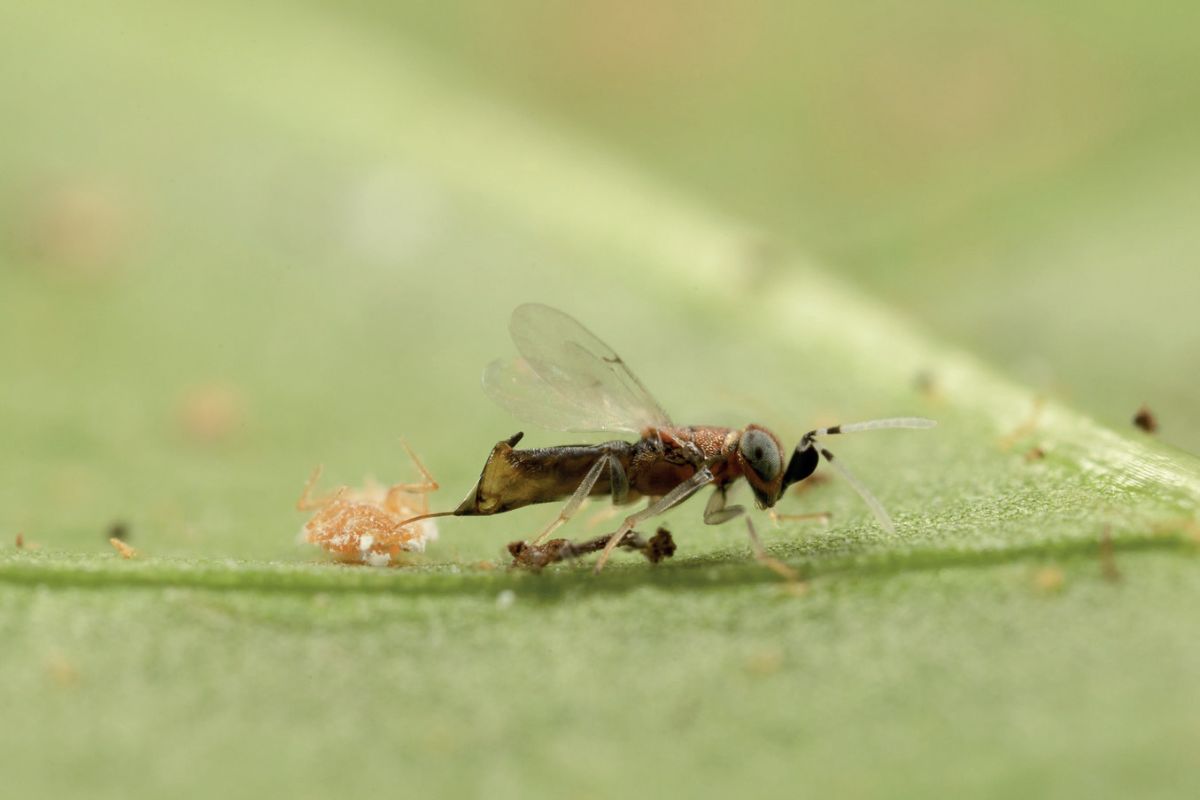 |
Anagyrus vladimiri is a parasitic wasp capable of parasitising the vine mealybug (Planococcus ficus) and the Comstock mealybug (Pseudococcus comstocki). The wasp lays its eggs inside the bodies of juvenile forms and immature female mealybugs, causing their rapid death and using them as hosts for its own reproduction. The innovation lies in the use of adult forms to launch inside the vineyard, which allow for prompt action, immediately detectable quality, less negative interference from ants and greater elasticity in intervention times. The use of adult forms in production required an additional operational phase to obtain adults from mummies, featuring harvesting and counting systems aimed at maximising the quality of the product sold, as well as a careful study of packaging and shipping methods to prevent stress during transport and delivery. |
| NEW TECHNOLOGY | |
| FURAITO | XAG R200 Agricultural Rover |
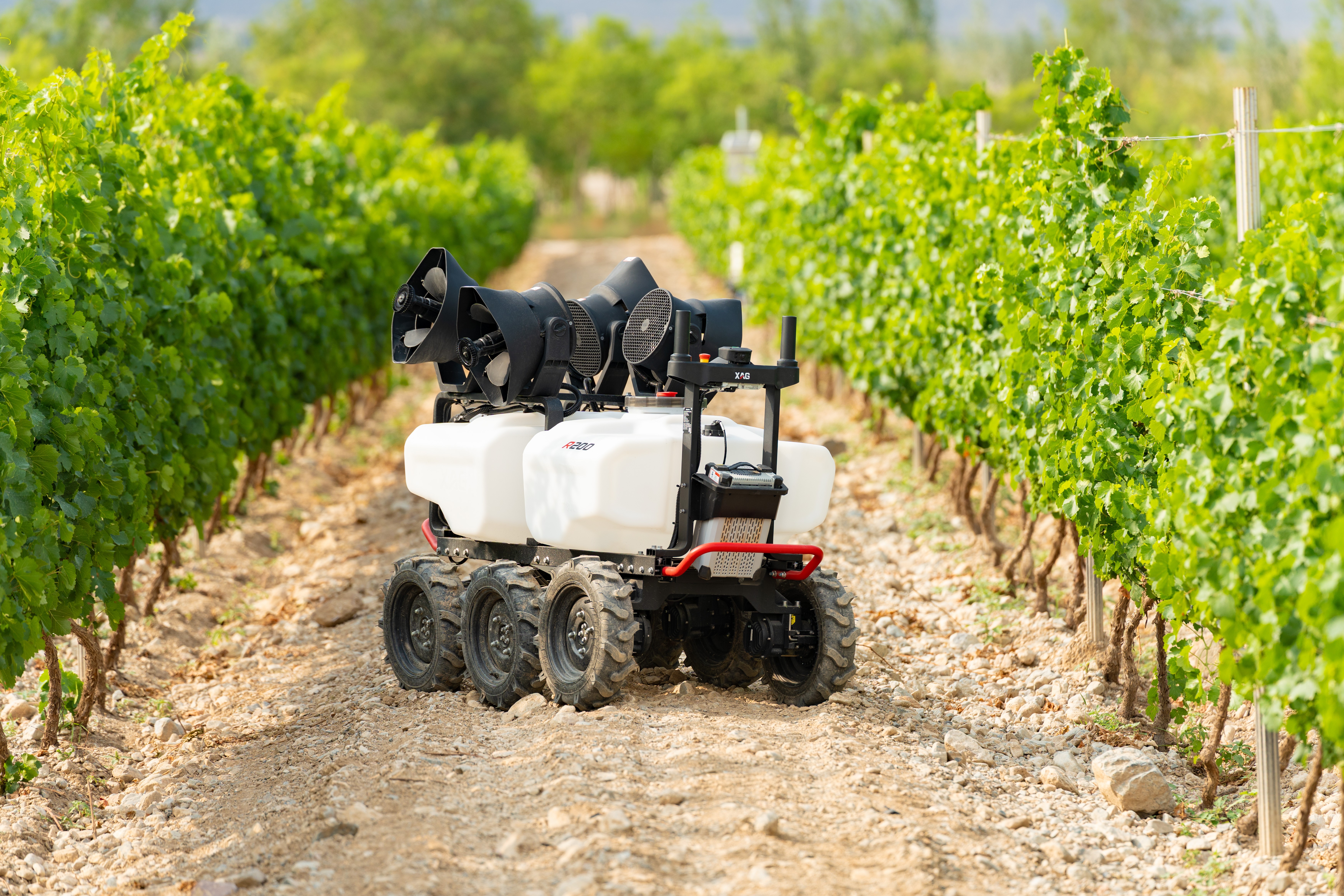 |
XAG R200 is a self-driving rover capable of spraying liquid products along row crops and in greenhouses. It is an autonomous, unmanned ground vehicle featuring a modular design that allows for alternating configurations: high-precision spraying and load transportation up to 280 kg. Built with ultra-durable materials, it can operate on slopes and rugged terrains where traditional vehicles encounter operational limits or rollover risks. It is powered by smart lithium batteries that drive 6 brushless motors and utilises a dual navigation system (RTK + AI vision) that guarantees centimetre-level route precision without requiring human intervention. It integrates electric mobility and centrifugal atomisation, eliminating operator exposure to plant protection products and reducing operating costs thanks to its electric power source. |
| MARTIGNANI | NEWPORT TRIO |
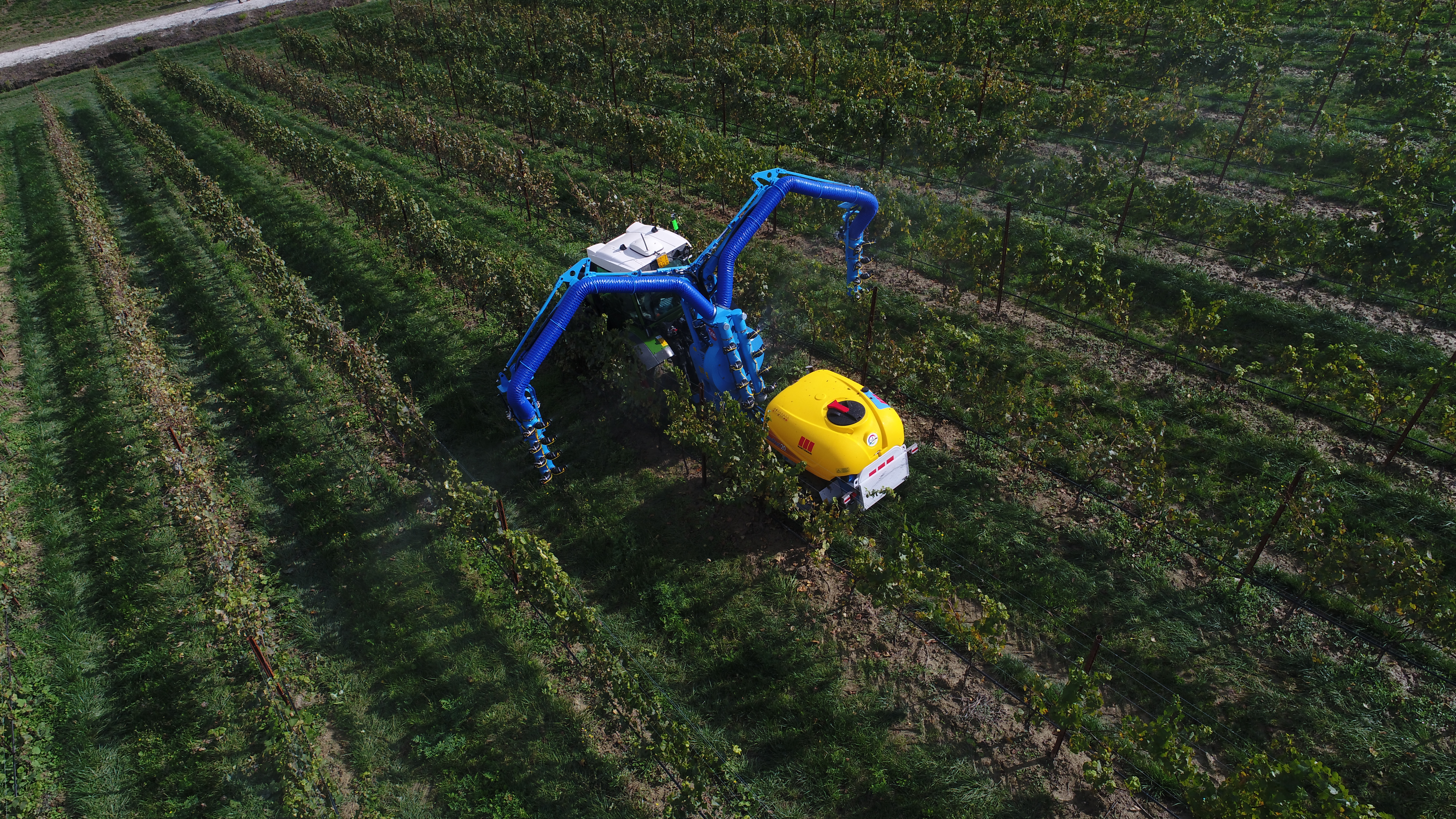 |
Newport Trio is a semi-mounted, articulated over-the-row multi-row sprayer which, thanks to an innovative kinematic mechanism, allows for the simultaneous treatment of 3 rows, even in hillside or foothill viticulture settings, in areas with difficult manoeuvring, or in the presence of obstacles. The distribution heads are multiple and independent, while the ventilation system features a double outlet with front suction, an anti-backflow duct and a reduced rotation speed. Therefore, in addition to the electrostatic technology that characterises the manufacturer, greater compactness of the machine, greater manoeuvrability, ease of transport, optimisation of ventilation and greater operational versatility are achieved. |
MERLO INDUSTRIA METALMECCANICA |
|
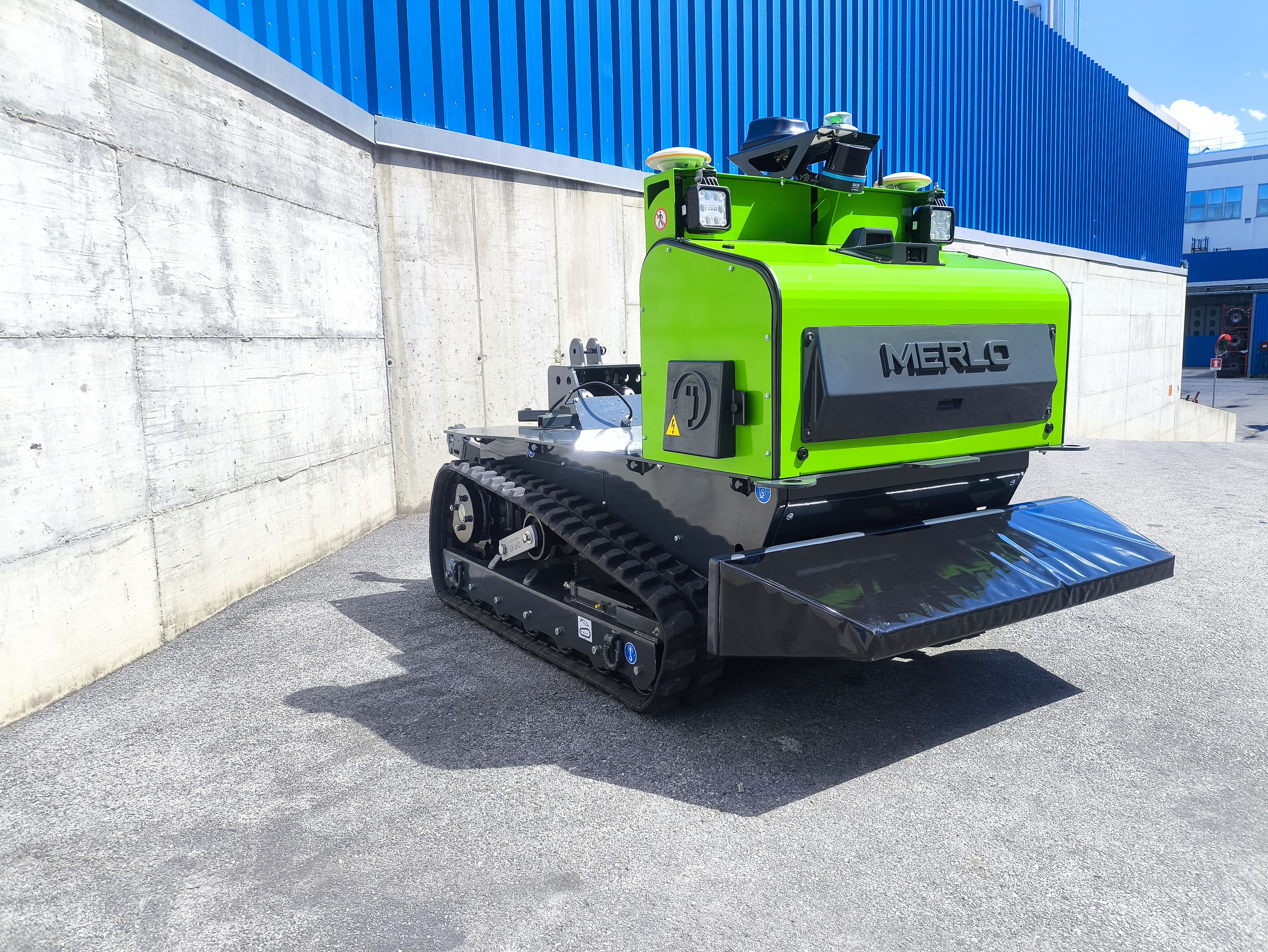 |
The firstautonomous tracked transporter produced by Merlo, Cingo was designed primarily for self-driving operation thanks to the integration of precision sensors, an onboard electronic control unit and advanced safety systems. The vehicle allows you to manage different equipment that can be installed by means of a three-point attachment or a tool-holder platform. All functions can also be controlled by radio control. Two operating systems can be selected. In autonomous mode, the machine recognises the equipment installed and performs the previously designated mission independently. It is still possible, however, to alternatively use manual driving to use the vehicle in areas not designated for autonomous driving. |
| YARA ITALIA | YaraAmplix ACTISIL |
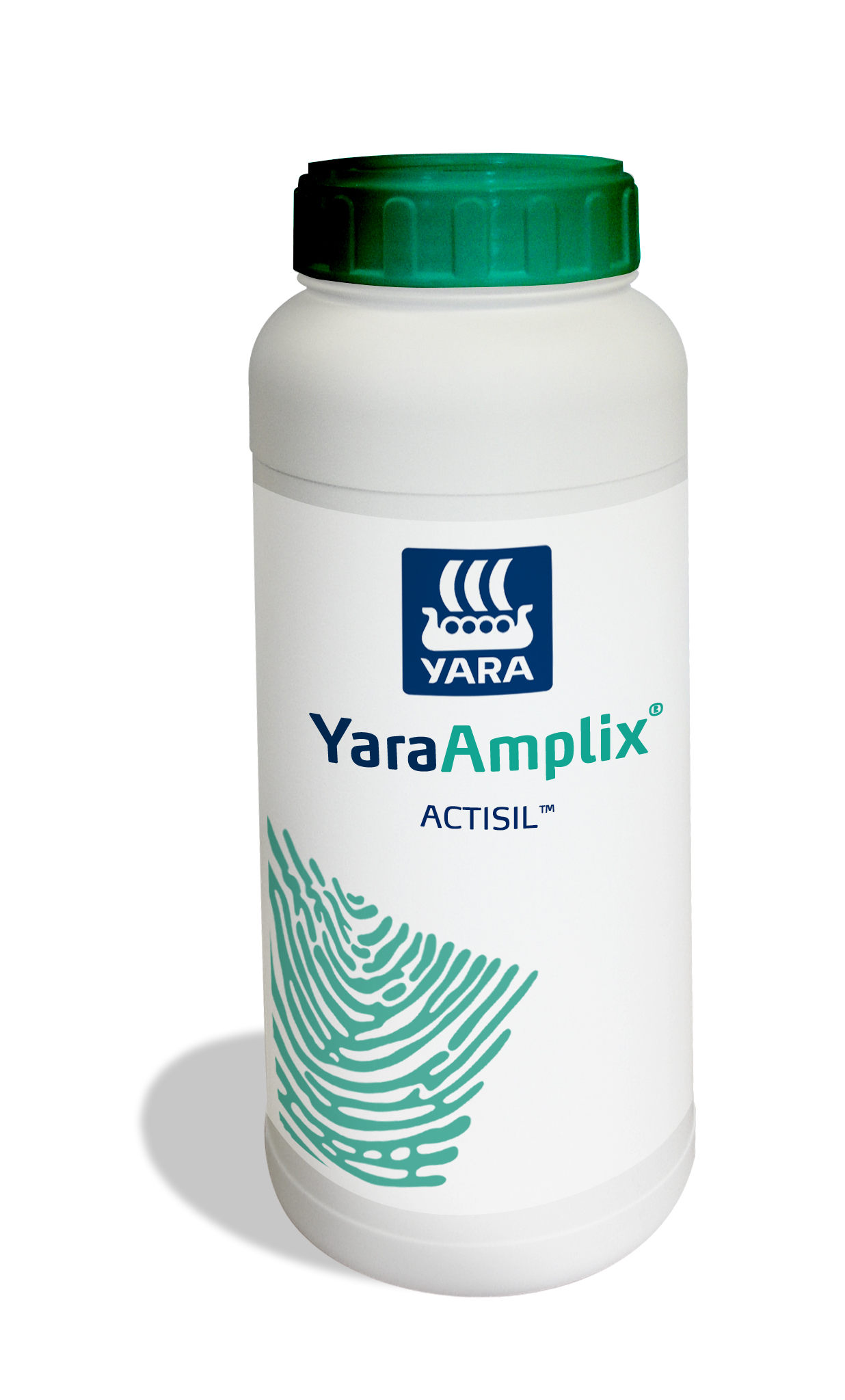 |
YaraAmplix Actisil is a biostimulant product for foliar application that delivers silicon in a bioavailable form (orthosilicic acid) by activating two synergistic mechanisms: structural reinforcement of the berry (cuticle thickening, epidermal cell size, triterpenoid waxes) and elicitation of biochemical defences (phenols, anthocyanins, stilbenes, resistance priming). Since the plant absorbs silicon only in the formula of monomeric orthosilicic acid, a substance that spontaneously polymerises in non-absorbable colloidal silica in aqueous solution, the addition of choline maintains the silicon in monomeric form even in the presence of concentrations above the solubility limit, thus guaranteeing the availability of the element. This chemical peculiarity differentiates the formulation from other sources of agricultural silicon (potassium silicate, sodium silicate, non-stabilised silicic acid), which depend on a conversion in the application medium or in the plant tissue to be absorbed. |